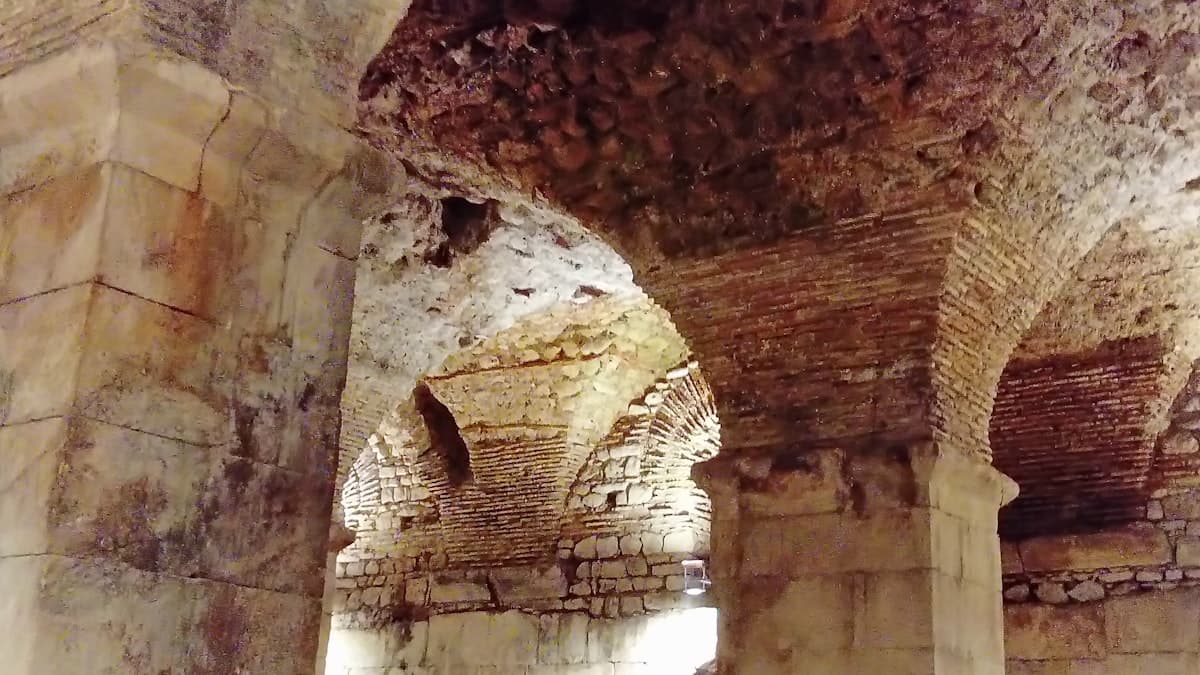
Picture this: you're standing inside Diocletian's Palace at golden hour, warm light pouring through a gap in the ancient walls, the stone glowing the color of honey. The air smells like salt and grilled fish. A cellist is playing somewhere in the Peristyle. There's nobody elbowing you for a photo.
Now picture the same spot in August. Shoulder-to-shoulder tourists, 37-degree heat bouncing off the stone, and a 20-minute wait just to get into a restaurant. Same city. Completely different experience.
When you visit Split matters enormously — not just for your comfort, but for what you'll actually be able to see, do, and afford. This guide breaks it all down season by season, month by month, so you can plan the trip that matches what you're actually looking for.
Quick Answer: When's the Best Time to Visit Split?
For most travelers, May, June, and September are the sweet spot. You get warm weather, swimmable seas, manageable crowds, and lower prices than peak summer. But the "best" time genuinely depends on what kind of trip you want.
Here's the short version:
- Beach lovers: June or September. Warm water, actual space on the beach, sunshine without the scorching heat.
- Budget travelers: April, May, or October. Flights and accommodation are significantly cheaper, restaurants aren't packed, and most tours are running.
- Culture seekers: April, May, or late September. Comfortable walking weather, fewer crowds at historical sites, shoulder-season calm that lets you actually absorb what you're seeing.
- Families with kids: June or early September. Warm enough for swimming, cool enough for sightseeing without meltdowns, and school-holiday crowds haven't fully arrived (or have just left).
- Nightlife and energy: July and August. Peak season is peak season for a reason — Split comes alive with festivals, beach bars, and an electric atmosphere.
Spring in Split (April -- June)
Spring is when Split shakes off winter and starts to feel like the Mediterranean postcard you came for. This is our favorite season to recommend, and for good reason.
April: The Awakening
April is transitional. Daytime temperatures hover around 17--20 degrees, which is perfect for walking but not quite warm enough for swimming (the Adriatic is still around 15--16 degrees). You might get a few rainy days, but they're rarely all-day affairs — more like a quick Mediterranean shower followed by sunshine.
The big advantage of April is that the city feels genuinely local. Restaurants and cafes along the Riva are open but unhurried. You can walk through Diocletian's Palace without dodging selfie sticks. Tour groups are small, and guides have more time to talk. If you're the kind of traveler who wants to understand a place rather than just photograph it, April is gold.
Our Split Old Town Evening Walking Tour is particularly good in spring — the mild evenings and quieter streets let you appreciate the palace's 1,700-year-old architecture without the summer chaos.
May: The Sweet Spot
May is arguably the single best month to visit Split. Temperatures reach 22--25 degrees, rain becomes rare, the sea warms to a tolerable 18--20 degrees (brave swimmers only), and the tourist season is ramping up without having fully arrived. Prices for flights and hotels are still well below peak, but everything — every restaurant, every tour, every excursion — is fully operational.
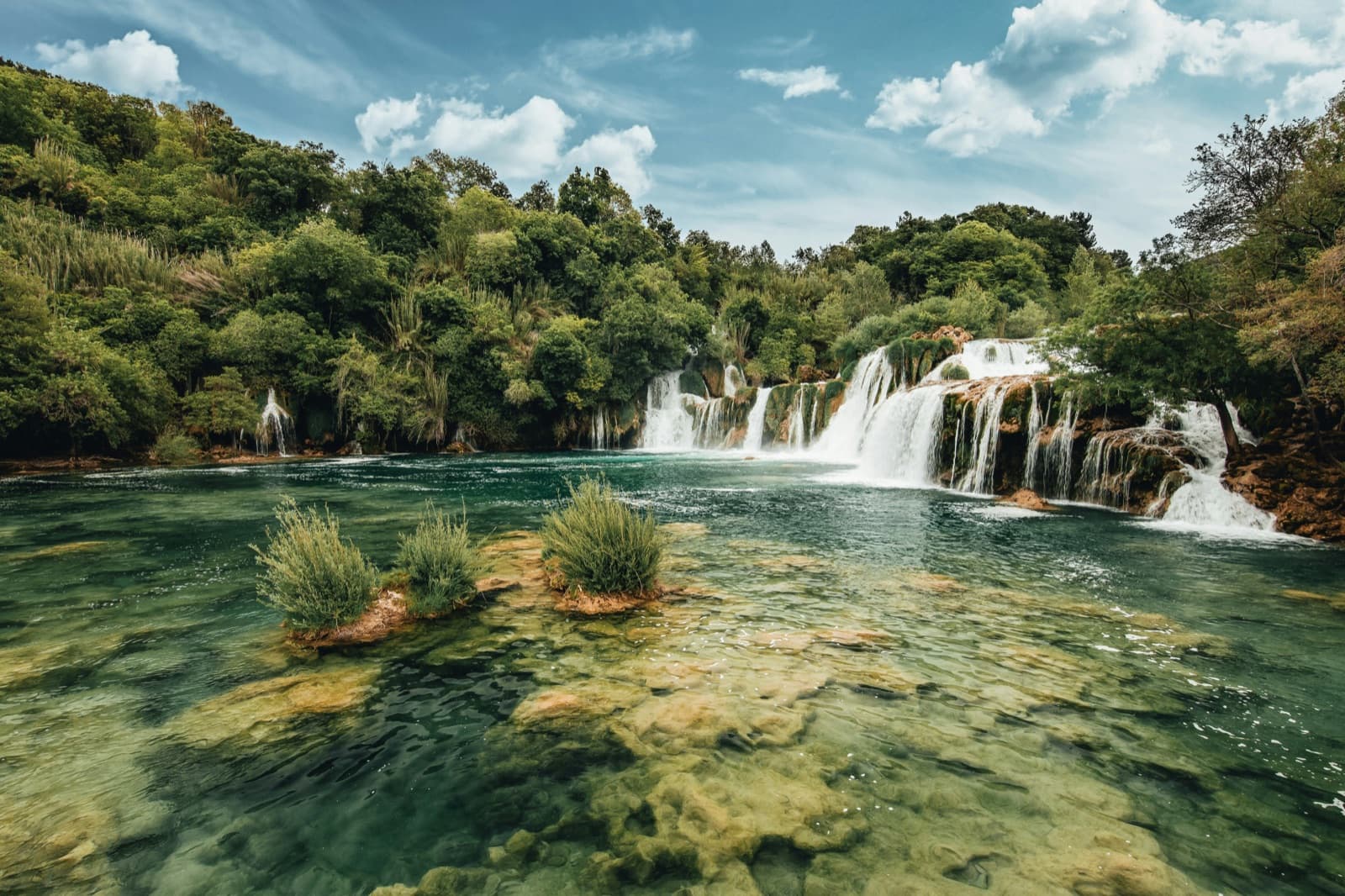
This is also when the waterfalls are at their most impressive. Spring rainfall feeds the rivers, and Krka Waterfalls thunders with a force you simply won't see in August. Our Krka Waterfalls Group Tour in May is a different experience than the same tour in summer — more water, fewer people, and greener surroundings.
June: Summer's Opening Act
By June, Split is in full summer mode. Temperatures hit 26--30 degrees, the sea is a comfortable 22--23 degrees, and the beaches fill up — but it's not yet the overwhelming crush of July and August. Think of June as peak season with the volume turned down one notch.
June evenings are long and warm, with sunset around 8:30 PM. This is prime time for our sunset tours. The Primosten Sunset Tour on a June evening, with the golden light stretching across the Adriatic, is one of those travel moments you remember years later.
Summer in Split (July -- August)
Let's be honest about peak summer: Split in July and August is hot, crowded, and expensive. Temperatures regularly hit 33--37 degrees, the narrow stone streets of the old town become a slow-moving river of tour groups, and restaurant prices creep up by 20--30 percent. Accommodation that costs 80 euros a night in May will cost 180.
But here's the thing — there's a reason millions of people come anyway.
The Case for Peak Summer
The energy is intoxicating. Split in August is a city fully alive: beach bars pumping music until midnight, the Ultra Europe festival crowd spilling through the streets, yachts filling the marina, and a cosmopolitan buzz that feels genuinely electric. The water temperature is a blissful 25--26 degrees. The days are long. The nightlife is some of the best on the Adriatic.
If you're in your twenties, traveling with friends, and want the full Mediterranean party experience — this is your window.
How to Survive (and Enjoy) Peak Season
The key to a good time in summer Split is getting out of the city for day trips. The coastal towns and national parks offer relief from both the heat and the crowds.
- Escape the heat at Krka: The shaded boardwalks and cool river air at Krka Waterfalls feel like air conditioning compared to the city.
- Go big with Plitvice: A full-day trip to Plitvice Lakes gets you into the forested interior where temperatures are several degrees cooler.
- Start early: Book morning tours. By afternoon, the stone city radiates heat like an oven. Our walking tours in summer depart in the early morning or evening specifically to avoid the worst of it.
If you're arriving by cruise ship in summer, advance booking is essential. Read our shore excursion guide well before your port day.
Autumn in Split (September -- October)
September is Split's best-kept secret — or at least it used to be. More travelers are catching on to what locals have always known: early autumn on the Dalmatian coast is spectacular.
September: The Second Sweet Spot
September delivers almost everything June does, but with a few bonuses. The Adriatic is at its warmest of the year — 24--25 degrees from a full summer of heating. Daytime air temperatures settle into a comfortable 25--28 degrees. The cruise ships thin out, the Ultra crowd goes home, and the city exhales.
Restaurants and markets start featuring seasonal Croatian produce — fresh figs, late-harvest grapes, olive oil from the new pressing. The light shifts too, becoming softer and more golden as the angle drops.
This is an excellent time for private tours — smaller crowds mean a more intimate experience at every destination, and guides can take their time at each stop.
October: The Quiet Wind-Down
October is the last reliable month for warm weather. Expect 20--23 degrees during the day with occasional rain. The sea is still swimmable at around 21--22 degrees — warmer than most of northern Europe's summer beaches.
Some smaller operators begin winding down for the season, but most major tours are still running. The autumn colors at Plitvice Lakes are genuinely extraordinary — the beech and maple forests surrounding the turquoise lakes turn amber, crimson, and gold. If you're choosing between a summer and autumn visit to Plitvice, autumn wins on scenery alone.
Our Primosten Sunset Tour in October is a personal favorite — the sunsets become more vivid as the atmosphere shifts, with deeper oranges and purples than you'll see in summer.
Winter in Split (November -- March)
Here's the honest truth: Split is not a winter destination in the way Barcelona or Lisbon can be. Most tours pause from November through March. Many restaurants outside the old town close or reduce hours. Ferries to the islands run on skeleton schedules. The weather is mild by northern European standards (8--14 degrees, rarely below freezing), but it can be grey and rainy for days at a stretch.
Why You Might Visit Anyway
That said, winter Split has a charm that tourists never see. Diocletian's Palace with nobody in it is hauntingly beautiful. You'll hear your own footsteps echo off walls that are nearly two millennia old. The local cafe culture — intense, unhurried, and deeply Croatian — is at its most authentic when there are no visitors to perform for.
Practical winter advantages:
- Flights are dirt cheap. Ryanair and EasyJet run routes to Split year-round, and winter fares can be as low as 20--30 euros one way from major European cities.
- Hotels drop to a fraction of summer prices. A four-star room in the palace that costs 250 euros in July might be 60 euros in February.
- Split Advent and Christmas Market (December) brings lights, mulled wine, and a festive atmosphere to the Riva and surrounding squares.
- Carnival (February) is a beloved local tradition with parades, costumes, and general merriment.
If you visit in winter, plan for self-guided exploration — walking the palace, visiting the Archaeological Museum, climbing Marjan Hill on a crisp morning, and eating at the restaurants that cater to locals rather than tourists. For sunset spot inspiration even in winter, see our guide to the best sunset viewpoints in Split.
Month-by-Month Breakdown
| Month | Avg. High | Sea Temp | Crowd Level | Rain Days | Best For |
|---|---|---|---|---|---|
| January | 10 C | 13 C | Very Low | 10 | Cheap flights, local life |
| February | 11 C | 13 C | Very Low | 9 | Carnival, empty palace |
| March | 14 C | 14 C | Low | 9 | Early spring walks, low prices |
| April | 18 C | 16 C | Low | 8 | Walking tours, culture |
| May | 23 C | 19 C | Medium | 6 | Best overall month |
| June | 27 C | 22 C | Medium-High | 4 | Beach + sightseeing balance |
| July | 31 C | 25 C | High | 2 | Beaches, nightlife, festivals |
| August | 31 C | 25 C | Very High | 2 | Peak energy, Ultra festival |
| September | 27 C | 24 C | Medium | 5 | Warm sea, fewer crowds |
| October | 21 C | 21 C | Low-Medium | 8 | Autumn colors, Plitvice |
| November | 16 C | 18 C | Low | 10 | Off-season deals |
| December | 12 C | 15 C | Low | 11 | Christmas market, Advent |
What to Book in Each Season
Not all tours are created equal across the calendar. Here's what works best when.
Spring (April -- June)
Spring is prime time for walking tours and waterfalls. The mild temperatures make city walking genuinely pleasant, and the rivers are swollen with spring rain.
- Split Old Town Evening Walking Tour — the palace without the crowds, warm spring evenings
- Split Game of Thrones and History City Walk — 5.0-star rated, best enjoyed when you can actually see the filming locations without masses of people
- Krka Waterfalls Group Tour — waterfalls at peak flow, lush green surroundings
- Primosten Sunset Tour — spring sunsets are vivid and the viewpoint isn't crowded yet
Summer (July -- August)
In summer, prioritize early starts, day trips out of the city, and water-based activities. The city itself is best explored in the early morning or after 6 PM.
- Krka Waterfalls Group Tour — cool river air, shaded boardwalks, a welcome escape
- Plitvice Lakes Group Tour — the forested interior is several degrees cooler than the coast
- Shore excursions for cruise passengers — book well in advance; summer port days sell out fast
- Evening walking tours — our evening Split tour avoids the daytime heat entirely
Autumn (September -- October)
Autumn is the season for private day trips and dramatic scenery. Fewer tourists mean more flexibility, and the landscape puts on a show.
- Private Tour to Krka Waterfalls — unhurried, personal, with your own guide
- Plitvice Lakes Group Tour — autumn foliage turns the park into a painting
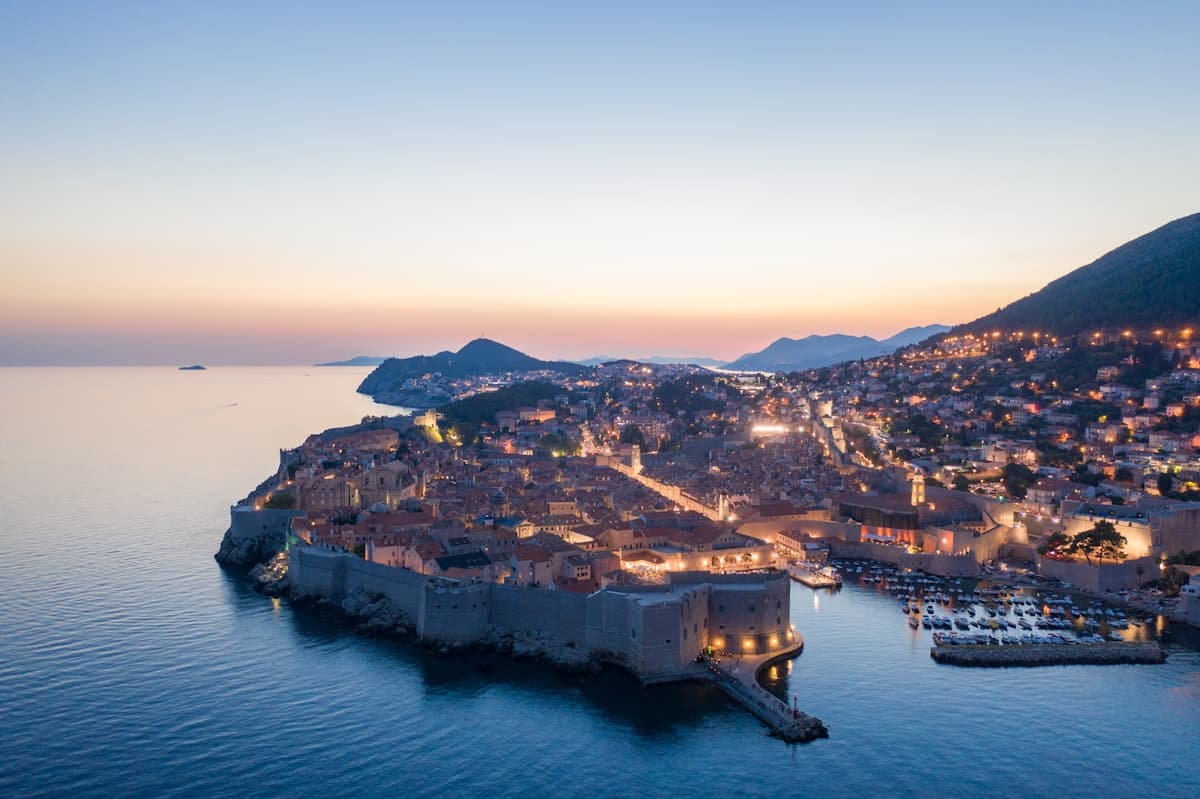
- Dubrovnik Group Tour — the "Pearl of the Adriatic" without summer's oppressive crowds and heat
- Primosten Sunset Tour — deeper colors, fewer people, warm evenings
Winter (November -- March)
Most guided tours pause for winter, but Split is still worth visiting if you adjust your expectations.
- Self-guided palace exploration — Diocletian's Palace is open and free to walk through year-round
- Marjan Hill — the trails are quiet and the views are crisp on clear winter days
- Museum hopping — the Split Archaeological Museum, Ethnographic Museum, and Gallery of Fine Arts are all open year-round
- Day trip to Trogir — the UNESCO old town is just 30 minutes away and equally atmospheric in winter
For a deeper look at choosing between Croatia's two great national parks regardless of season, read our Krka vs. Plitvice comparison.
FAQ: Planning Your Split Trip
Is Split worth visiting in winter?
Yes, but with realistic expectations. You won't be swimming or taking guided boat tours. What you will get is one of Europe's most extraordinary Roman monuments almost entirely to yourself, plus rock-bottom prices on flights and accommodation. If you enjoy slow travel, local food, and exploring at your own pace without crowds, winter Split can be surprisingly rewarding. The Advent festivities in December add warmth and atmosphere.
What's the cheapest month to visit Split?
January and February are the cheapest across the board — flights, hotels, and dining all hit their lowest prices. For travelers who want cheap prices and good weather, April and late October offer the best value. You'll pay 40--60 percent less than July and August for accommodation, while still getting pleasant temperatures and most tours operating.
Can you swim in Split in October?
Yes. The Adriatic holds its heat well into autumn, and sea temperatures in October average 21--22 degrees — warmer than the English Channel or the North Sea in the middle of summer. Many locals swim through October and even into early November. The beaches are emptier, the water is calm, and the afternoon sun still has real warmth. Bring a light wetsuit if you run cold, but most people are fine without one.
How far in advance should I book tours?
In peak season (July--August), book at least 1--2 weeks ahead, especially for popular group tours like Krka and Plitvice, and 2--4 weeks ahead for private tours. Shore excursions for cruise passengers should be booked as soon as your itinerary is confirmed — port days sell out.
In shoulder season (May, June, September), a few days' notice is usually fine for group tours, but private tours should still be booked a week or more ahead to guarantee your preferred date.
In spring and autumn off-peak (April, October), you can often book tours with just a day or two of notice, but confirming in advance is always smart.
Is Split too crowded in August?
The old town is genuinely packed in August — there's no sugarcoating it. Diocletian's Palace, the Riva, and the main beaches get very busy, especially on days when multiple cruise ships are in port. Restaurants in the old town can have long waits, and popular tours sell out.
That said, you can manage August crowds with smart planning. Visit the old town early in the morning or in the evening. Spend the hottest part of the day on a day trip to the national parks or at a beach outside the center, like Kasjuni or Znjan. Book restaurants in advance. And accept that the trade-off for peak-season energy and perfect beach weather is sharing the experience with a lot of other people who had the same idea.
Plan Your Trip
The best time to visit Split depends on what matters most to you — but almost any month between April and October will deliver a memorable trip. If we had to pin it down to a single recommendation: come in late May or early September. You'll get warm weather, swimmable seas, running tours, reasonable prices, and a city that feels vibrant without feeling overwhelmed.
Ready to start planning? Browse all our tours to see what's available for your dates, or get in touch and we'll help you build the perfect Dalmatian itinerary.